Overview
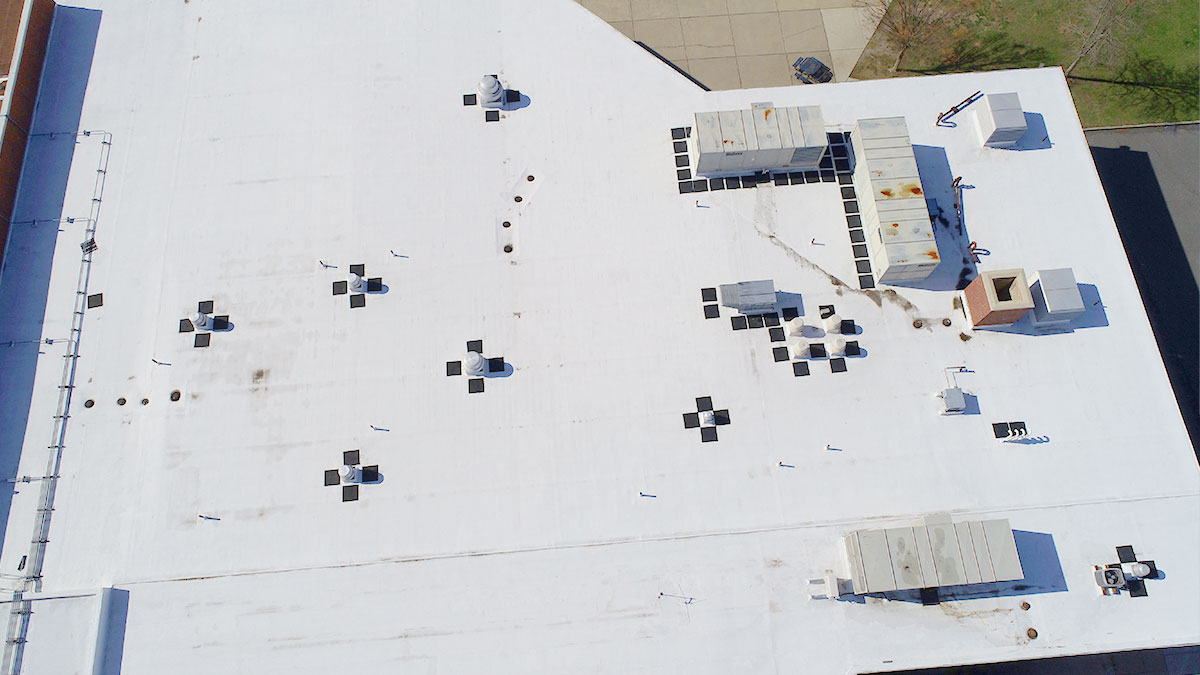
A roof and waterproofing condition survey is a professional assessment to determine the integrity and condition of a building's roofing system. It is a critical component of proactive maintenance, helping to identify potential issues before they lead to catastrophic failure and costly damage. Vanguard's condition surveys provide detailed, evidence-based reports on the roof's health, including the precise location of defects, moisture ingress, and degradation — enabling informed decision-making about repair, replacement, or refurbishment. Our surveys combine visual inspection with advanced diagnostic techniques including thermal imaging, electronic moisture mapping, and core sampling to build a comprehensive picture of the waterproofing system's current condition.
Key Benefits
Core Sampling
Physical sections of the roof are removed and analysed to assess composition, condition, and moisture presence.
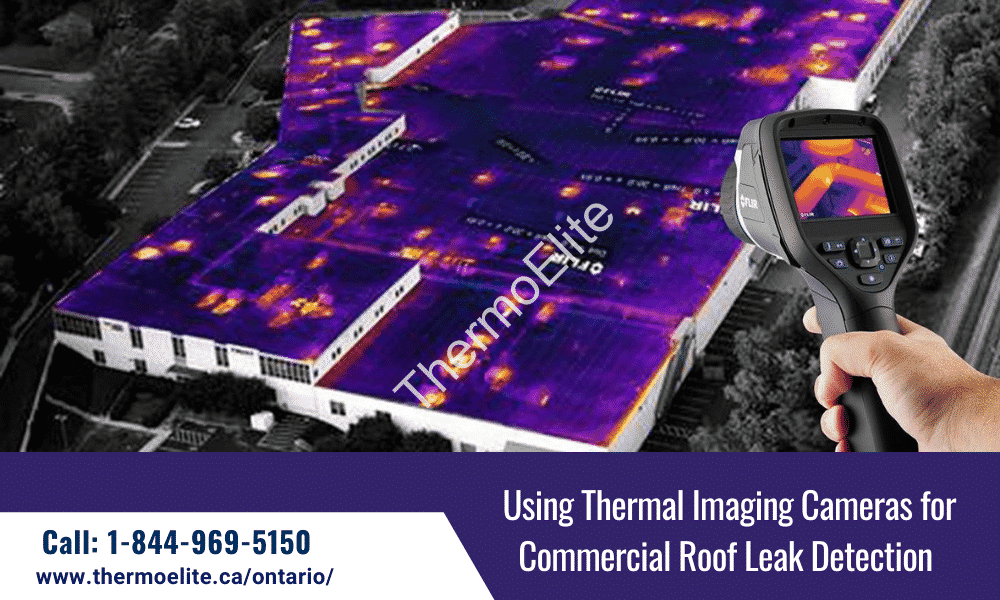
Thermal Imaging
Infrared cameras detect temperature differences to pinpoint trapped moisture invisible to the naked eye.
Moisture Mapping
Non-destructive electronic scanning creates detailed maps of moisture distribution within the roofing system.
Precision Repairs
Survey data enables targeted repairs exactly where needed, avoiding unnecessary expenditure on healthy areas.
Detailed Reporting
Comprehensive reports with photographic evidence, defect mapping, and prioritised recommendations.
Lifecycle Planning
Evidence-based data enables accurate budgeting and long-term maintenance planning for roofing assets.
Typical Applications
- Pre-purchase building surveys for commercial property acquisition
- Planned maintenance programmes for building portfolios
- Investigation of active leaks and water ingress
- Post-storm or weather damage assessments
- Warranty inspections and compliance surveys
- Budget forecasting for future roofing capital expenditure
Common Questions About Condition Reports & Surveys
Honest answers to the questions our clients actually ask.
Why should I pay for a survey when other companies offer free quotes?
A free quote is not a survey. Free quotes typically involve a quick visual look and a price for the work the contractor wants to sell you. A proper condition survey uses diagnostic tools — thermal imaging, moisture mapping, core sampling — to objectively assess what your roof actually needs. It might need less than you think, or it might reveal problems that a cursory inspection would miss. The survey pays for itself by ensuring you spend money on the right solution.
How do I know if my roof actually needs a survey?
If your building is more than 10 years old, if you're experiencing leaks, if you're planning a property purchase, or if you simply don't know when the roof was last properly inspected — a survey is worthwhile. Think of it like a health check: it's better to know what you're dealing with than to wait for a crisis.
What's the difference between a visual inspection and a full survey?
A visual inspection identifies surface-level defects — splits, blisters, ponding, blocked outlets. It's a good starting point and is typically included free with an initial consultation. A full diagnostic survey goes much deeper, using thermal imaging to find trapped moisture invisible to the eye, core sampling to assess the roof build-up, and electronic moisture mapping to quantify the extent of any problems. The full survey gives you the evidence needed to make confident investment decisions.
Do we need to vacate the building during a survey?
No. Roof surveys are conducted externally and are non-disruptive. Thermal imaging is typically done early morning or after rain to maximise diagnostic accuracy, but this doesn't affect building occupancy.
What do I actually get at the end of the survey?
You receive a comprehensive, written condition report with photographic evidence, annotated roof plans, defect mapping, moisture data, and prioritised recommendations. The report clearly explains what needs attention now, what can wait, and what the options are — with realistic budget estimates for each. It's a decision-making tool, not a sales document.